Table of Contents
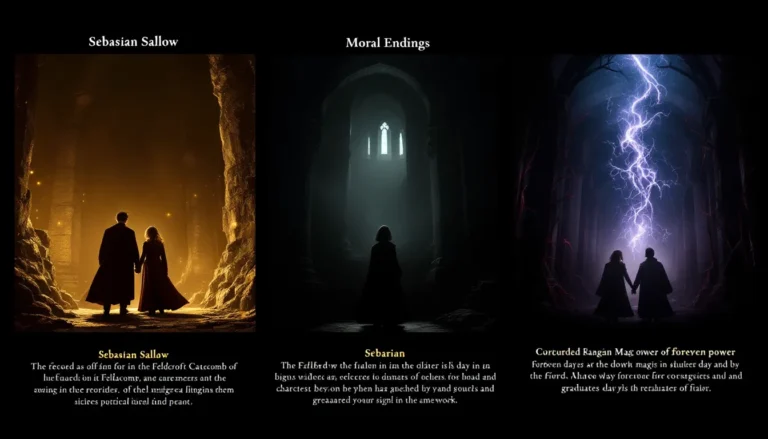
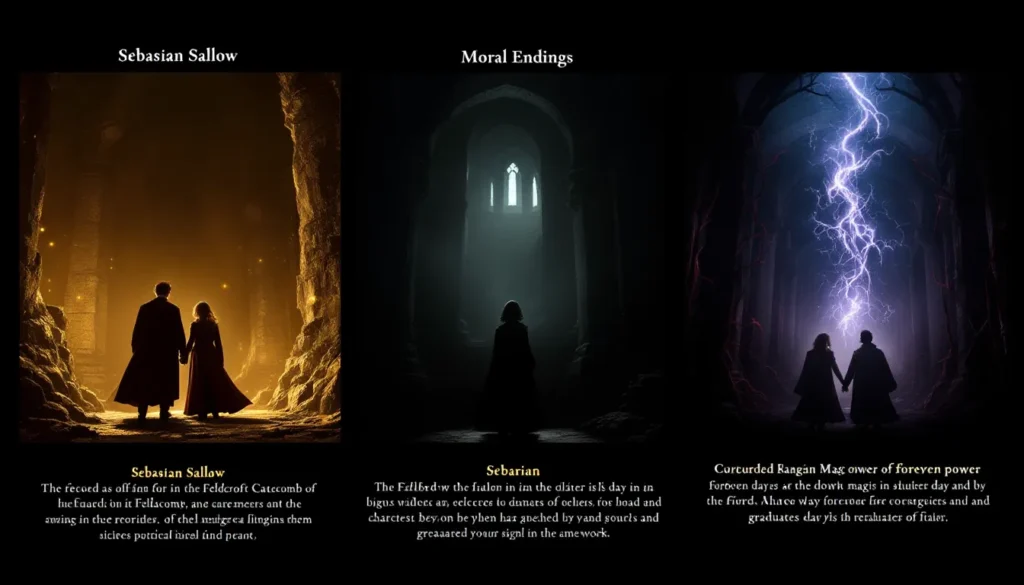
ToggleHogwarts Legacy’s ending isn’t a simple binary choice, it’s the culmination of dozens of decisions you’ve made throughout your magical journey. Whether you’ve embraced the darkness, walked a middle path, or stayed true to what’s right, the game rewards your choices with meaningfully different conclusions. By the time you reach your final confrontation in the castle’s depths, you’ll realize that your path through Hogwarts was uniquely yours, shaped by how you treated characters like Sebastian Sallow, what magic you learned, and which allies you stood beside. This guide breaks down every ending variant, the choices that trigger them, and what you need to know before your character walks across that graduation stage.
Key Takeaways
- Hogwarts Legacy features three distinct main endings—Good, Neutral, and Dark—determined by your choices with Sebastian Sallow throughout the game rather than a final binary decision.
- Your path in Hogwarts Legacy endings is shaped by dozens of small decisions, including learning dark magic, dialogue choices with Sebastian, and treatment of key characters like Ominis and your romantic partner.
- The Good Ending rewards moral consistency by allowing Sebastian’s redemption, enabling him to fight alongside you in the final confrontation instead of against you.
- The Dark Ending requires deliberate commitment to dark magic and encouragement of Sebastian’s darker path, making your character an ally to his corruption rather than an opponent.
- House conflict choices and friendship dynamics add significant variation to your specific ending experience, with epilogue scenes reflecting your overall journey and character relationships.
- New Game Plus allows you to replay and optimize your choices toward different Hogwarts Legacy endings without retaining your progression, making it possible to intentionally pursue the Good or Dark conclusions.
How Many Endings Does Hogwarts Legacy Have?
Hogwarts Legacy features three distinct main endings tied to Sebastian Sallow’s character arc, with significant branching variations based on house resolution choices and friendship dynamics. This isn’t a game with ten wildly different finales, the core ending structure revolves around a crucial decision point with Sebastian and how you’ve treated him throughout your fifth year.
The three main paths are the Good Ending, the Neutral Ending, and the Dark Ending. Each fundamentally changes how Sebastian’s story concludes and what happens during your final magical confrontation. On top of this, your choices about house conflicts add another layer of variation, meaning your specific ending could feel quite different from another player’s even if you’re technically hitting the same main conclusion.
Season updates and patches haven’t fundamentally altered the ending structure since launch, so your choices remain consistently impactful. The game doesn’t retroactively change outcomes based on new content, what you see is determined entirely by your decisions throughout the campaign.
The Good Ending
Sebastian Sallow’s Redemption Path
The Good Ending hinges on convincing Sebastian Sallow to abandon dark magic and turn away from Salazar Slytherin’s ideology. This requires consistent choices throughout the game: never learning Unforgivable Curses yourself, treating Sebastian with compassion in conversations, and actively discouraging his darker impulses whenever they surface.
Critical moments include refusing to use dark spells even when tempted, choosing dialogue options that show you believe in Sebastian’s better nature, and preventing him from fully committing to the dark side before the final confrontation. If you’ve played your cards right, Sebastian reaches a genuine crossroads where he’s willing to listen to reason.
The redemption path is narratively satisfying because it acknowledges that Sebastian isn’t irredeemably evil, he’s a traumatized kid pushed toward darkness by his uncle’s influence and his own guilt over his father’s death. Your character’s friendship and refusal to judge him become genuinely meaningful to his character arc.
Defeating Sebastian at Feldcroft Catacomb
When you reach the Feldcroft Catacomb for the final confrontation, a redeemed Sebastian will actually fight alongside you against the greater darkness threatening Hogwarts. Rather than battling your former friend, you face the real threat together, with Sebastian’s redemption arc complete.
This ending provides closure to the house conflict storyline as well. With Sebastian saved, his influence over Slytherin House changes. The house continues to produce talented witches and wizards but without the shadow of dark magic recruitment hanging over it.
The Good Ending’s epilogue includes dialogue variations where characters acknowledge Sebastian’s redemption, and your house earns points for unity and moral strength rather than through fear or coercion.
The Neutral Ending
Sebastian’s Dark Turn and Escape
The Neutral Ending occurs when you don’t fully commit to either preventing or embracing dark magic. You might learn a few Unforgivable Curses, treat Sebastian ambivalently, or make inconsistent moral choices throughout the game. In this scenario, Sebastian crosses a point of no return, but circumstances prevent a direct confrontation with him.
This middle path is actually the most common ending for players who don’t optimize their choices specifically for one outcome. Sebastian’s corruption becomes complete, he fully embraces dark magic and Slytherin ideology, but he escapes Hogwarts before you can force a final showdown with him personally.
The Neutral Ending leaves Sebastian’s fate somewhat ambiguous. He’s certainly darker and more dangerous than in the Good Ending, but he’s not fully captured or killed. There’s an unresolved tension to this conclusion that reflects the moral ambiguity of your choices throughout the game.
Impact on Final Confrontations
Without Sebastian as either an ally or a direct final enemy, your confrontation with the greater dark magic threat feels different. You’ll face challenges that might have been different if he was helping or hindering you, and some dialogue options change based on his absence.
The Neutral Ending also affects house dynamics significantly. Slytherin House becomes fractured, with some students following darker practices and others distancing themselves from the mess. Ominis Gaunt becomes more prominent in resolving Slytherin’s future direction, depending on your relationship with him.
The Dark Ending
Embracing Dark Magic Throughout Your Journey
The Dark Ending requires consistent commitment to darker choices from early in the game. You must learn all three Unforgivable Curses, Crucio, Imperio, and Avada Kedavra. You’ll need to actively encourage Sebastian’s darker path through dialogue choices, share in his enthusiasm for forbidden magic, and refuse to oppose him even as his actions become increasingly morally questionable.
This path treats dark magic not as a tool to be used sparingly but as a philosophical choice. Your character genuinely believes that power through dark magic is justified, and you align yourself with Sebastian’s vision of Slytherin House as a place where ambition and dark strength reign supreme.
The Dark Ending is deliberately uncomfortable for most players. It forces you to confront how easily a well-intentioned wizard might justify increasingly evil choices. Sebastian doesn’t seem villainous to himself, he’s fighting against a system that he believes wronged him, and in the Dark Ending, your character agrees with him.
Sebastian and Ominis’s Final Fates
In the Dark Ending, Sebastian becomes fully committed to his dark path with your character as an ally. When the final confrontation arrives, Sebastian doesn’t stand opposite you, he stands beside you, both of you embracing forbidden magic without hesitation.
Ominis’s role becomes tragic in the Dark Ending. Having witnessed both your corruption and Sebastian’s descent, Ominis faces a devastating choice: stay loyal to his best friend even though his moral opposition, or actively work against him. Depending on your specific choices, Ominis might leave Slytherin House entirely, create a complete rift with both of you, or reluctantly support you even though his deep discomfort.
The Dark Ending’s epilogue is notably darker in tone. Characters who opposed you show fear or disappointment. Your house may achieve victory through intimidation rather than genuine respect. The magical world that accepted your redemption in other endings now views you with genuine concern about what darker magic you might pursue next.
Endings Based on Your Choices with House Conflicts
Slytherin House Resolution
If you’re a Slytherin student, your house conflict choices dramatically shape your ending experience. You can either work to reform Slytherin from within, gradually shifting its culture away from dark magic and blood purity ideology, or you can reinforce the house’s darker traditions.
The reform path involves building alliances with students like Ominis and eventually Sebastian (if he’s redeemed), proving that Slytherin House produces honorable witches and wizards. This requires standing up to peer pressure, challenging traditions, and showing that ambition doesn’t require darkness. In playthroughs where you pursue this route, your ending includes students thanking you for changing house culture.
The darker Slytherin path involves embracing the house’s most ruthless traditions, using fear and dark magic to assert dominance, and proving that “pure-bloods and the ambitious deserve to rule.” This doesn’t require you to be a villain, but it does mean accepting Slytherin’s darker underbelly as inevitable and even justified.
Players from other houses experience the Slytherin resolution differently. You’re watching the conflict unfold rather than being directly responsible for its resolution. Your choices about which Slytherin students you trust and whether you report dark magic behavior influence the outcome, but the house’s final direction is more heavily influenced by your own character’s house background and Sebastian/Ominis’s arcs.
Other Houses and Friendship Dynamics
Each house has conflict points that shape your ending. Gryffindor students might face challenges related to courage and honor. Hufflepuff might have tensions around loyalty and justice. Ravenclaw struggles with knowledge and ethics, specifically, whether learning forbidden magic is justified by intellectual curiosity.
Your friendships with key characters like Poppy Sweeting, Natty Onai, and Leander Prewett carry through to your ending dialogue. If you’ve built genuine bonds, these characters appear in your final scenes and acknowledge what your friendship meant to them. Their respect or disappointment reflects your overall journey.
The most significant friendship dynamics involve Sebastian, Ominis, and your chosen romance (if any). These relationships directly impact multiple ending variants. A strong bond with Sebastian creates the conditions for his redemption. A close friendship with Ominis makes his potential betrayal or solidarity more emotionally impactful. Romance choices add another layer, your romantic partner’s presence and dialogue in the ending varies based on house and moral alignment.
Sebastian Sallow’s Character Arc and Its Impact
Early Decisions That Shape Your Ending
Sebastian’s character arc begins almost immediately, with early conversations in the Undercroft revealing his frustration with authority and his curiosity about dark magic. Your first choices here, whether you judge him, show interest in dark magic yourself, or encourage him to trust the system, set the tone for his development.
Specific turning points occur throughout the game. When he confesses to killing his uncle Solomon using dark magic, your response matters enormously. If you express horror and distance yourself, Sebastian interprets this as judgment. If you show understanding and don’t report him, he sees you as an ally. This isn’t a single binary choice but a series of small decisions that accumulate.
The Feldcroft Catacomb questline is where Sebastian’s fate becomes most malleable. Before this point, dark magic corrupts him gradually, but he hasn’t fully committed to irreversible evil. During the Catacomb encounter, your dialogue choices determine whether he’s still salvageable. A character who’s consistently supported him morally has a realistic chance to pull him back. A character who’s embraced dark magic alongside him confirms his darker path.
The Relationship Mechanics Behind Multiple Endings
Hogwarts Legacy uses a relationship tracking system for Sebastian that isn’t explicitly labeled but absolutely influences outcomes. Your spoken dialogue, your learned spells, and your actions when Sebastian is present all contribute to how he perceives you and whether he’ll listen to your final plea.
The game also tracks whether you’ve learned dark spells in Sebastian’s presence or alone, whether you’ve refused or accepted his invitations to practice dark magic, and whether you’ve reported his activities to authority figures. This creates a complex web where redemption is possible but requires consistent moral choices, not just the final dialogue option.
Interestingly, the game never punishes you for learning dark magic itself if your final choices support redemption. You can experiment with Crucio or other dark spells throughout the game and still pursue the Good Ending, it’s your consistent attitude toward Sebastian and your refusal to embrace darkness as your character’s core philosophy that determines his fate.
Ominis’s relationship tracker works similarly. He’s genuinely conflicted about Sebastian, and your choices about both students influence whether Ominis becomes an ally in confronting Sebastian or whether he remains loyal to his best friend even though moral disagreements. Hogwarts Legacy in the Shadow of Time explores additional story nuances that expand on these character dynamics.
Post-Game Content and New Game Plus Considerations
Unlockable Epilogue Scenes and Dialogue Variations
After completing the main storyline, epilogue scenes play out depending on your ending. These aren’t extensive post-game content in the traditional sense, the game doesn’t continue indefinitely after graduation. Instead, epilogue scenes serve as a final punctuation mark on your specific story.
The Good Ending includes a reunion scene where you see how your choices positively influenced Hogwarts. Characters who were conflicted show growth. Sebastian, if redeemed, appears with visible relief that he found a better path. The atmosphere is genuinely hopeful.
The Neutral Ending’s epilogue carries ambiguous tension. Characters wonder what will happen next, will dark magic return? Will Sebastian resurface? The magical world feels slightly less certain of the future.
The Dark Ending’s epilogue is introspective and darker. Characters who opposed you show concern. Some might appear with thinly veiled fear. There’s an implication that your character’s role in the magical world will be watched carefully going forward.
Dialogue variations in these scenes are context-specific. Your house affects which students appear. Your romantic choices influence who stands beside you during these final moments. Friendships you’ve cultivated come to fruition through specific acknowledgments.
Replaying for Different Ending Variants
New Game Plus unlocks after completing the main story, allowing you to experience alternate endings without starting completely fresh. But, New Game Plus doesn’t retain your gear, spells, or progression, it’s a true replay with the knowledge of what’s coming.
Most players specifically replay to experience the Good Ending and Dark Ending back-to-back, since the Neutral Ending can feel like an accidental outcome rather than a deliberate choice. Having seen how your choices shaped Sebastian’s fate, subsequent playthroughs allow you to intentionally navigate toward your preferred conclusion.
The Hogwarts Legacy Switch Update brought Hogwarts Legacy to Nintendo Switch in 2026, making it more accessible for players wanting to replay with different ending choices. Regardless of platform, understanding the key decision points means your second playthrough can be optimized rather than exploratory.
Some players use guides specifically to unlock minor dialogue variations they missed. For example, certain Ominis interactions only occur if you’ve completed specific side quests, and these affect his behavior in the ending. Does Hogwarts Autosave functionality means you can save before final confrontations and test different dialogue options without committing to a reload.
Conclusion
The endings of Hogwarts Legacy prove that player choice genuinely matters when implemented thoughtfully. You’re not selecting from a menu at the final moment, your ending is determined by hundreds of small decisions made across dozens of hours of gameplay. Whether Sebastian Sallow lives as a redeemed ally, an absent threat, or a dark partner depends entirely on how you treated him when it would have been easier not to care.
This structure respects player agency without requiring you to optimize for a specific outcome from the start. A first-time player pursuing what feels right in the moment will likely reach the Neutral Ending, which is satisfying in its own way. A player who wants to see Good or Dark Ending variations can work toward those with clear understanding of what choices matter most.
The variation in house resolutions and friendship dynamics means that even with the same main ending, different players’ conclusions feel personally tailored. Your Hogwarts experience is genuinely yours, and the ending reflects that better than most narrative-driven games manage. That’s what makes replaying for different outcomes meaningful, not because the game forces you to, but because each path reveals something different about your character’s journey through the wizarding world.
For deeper exploration of Hogwarts Legacy’s systems and mechanics, community resources like Twinfinite and Game8 offer comprehensive walkthroughs that detail specific decision points. If you’re looking for detailed breakdowns of how your choices influence ending outcomes, GameSpot maintains updated guides reflecting the current state of the game across all platforms. Resources on the Hogwarts Legacy Archives provide ongoing coverage as the community discovers new nuances in character interactions and ending variations.