Table of Contents
ToggleHogsmeade is more than just a picturesque village in Hogwarts Legacy, it’s a hub of secrets waiting to be uncovered. Among its winding streets and storefronts lies a collection of field guide pages that flesh out the world’s lore and unlock rewards for completionists. Whether players are hunting down every collectible or just looking to maximize their exploration, understanding where to find these pages and why they matter is essential. This guide breaks down everything about Hogsmeade field guide pages, from their locations across the iconic hogsmeade map to efficient collection strategies that save time and frustration.
Key Takeaways
- Hogsmeade field guide pages are collectible documents scattered throughout the village that expand lore, unlock achievements, and contribute to 100% completion in Hogwarts Legacy.
- Field guide pages are found in specific locations across districts like High Street, The Three Broomsticks, Honeydukes, and the Hogsmeade Hideout, with systematic zone-by-zone exploration being the most efficient collection method.
- Pages provide both narrative value through lore snippets and mechanical rewards including gallery entries, cosmetic unlocks, and completion percentage progress that impact end-game achievements.
- The built-in field guide tracking system displays completion progress by district, helping players identify areas that still need attention and prevent duplicate collection efforts.
- Field guide pages do not respawn once collected, and some pages are tied to specific story chapters, so players should revisit Hogsmeade after major quest completions to ensure all accessible pages are found.
- Reaching 100% completion in Hogsmeade field guide pages requires patience and thorough exploration, with dedicated collection runs on second playthroughs often proving more efficient than attempting full completion during the first story campaign.
What Are Hogsmeade Field Guide Pages?
Field guide pages in Hogwarts Legacy are collectible documents scattered throughout Hogsmeade that chronicle the history, creatures, and secrets of the magical village. Unlike main story objectives, these pages serve a dual purpose: they expand the game’s lore and contribute to completion achievements. Each page contains flavor text that deepens players’ understanding of the setting, details about the history of specific shops, background on local creatures, or tidbits about Hogsmeade’s culture.
These collectibles are distinct from other gathering activities in the game. They don’t require crafting materials or combat drops: instead, they’re found in specific locations and must be physically discovered or interacted with. Some pages appear in plain sight on shelves or tables, while others are tucked into more hidden corners that reward thorough exploration.
The field guide mechanic ties into Hogwarts Legacy’s broader progression system. As players collect pages, the game tracks their progress, and hitting certain milestones unlocks rewards. For those aiming for 100% completion, tracking down every single page becomes a natural goal, especially since Hogsmeade is a central hub that players revisit throughout their campaign.
Why Collect Field Guide Pages in Hogsmeade?
Collecting field guide pages goes beyond satisfying a completionist’s itch, there are tangible in-game benefits that make the effort worthwhile. The primary motivation is progression within the field guide system itself, which tracks discovery and rewards players for reaching specific page counts.
Rewards and Benefits
The main reward for collecting Hogsmeade field guide pages is unlocking gallery entries and achievement progress. For players pursuing 100% completion, field guide pages count toward overall completion percentage, which impacts end-game rewards and bragging rights. Also, the act of collecting pages encourages deeper exploration of Hogsmeade’s layout, revealing shortcuts, hidden areas, and environmental storytelling that casual players might miss.
Beyond mechanical rewards, field guide pages provide narrative value. Each page contains lore snippets, historical context about locations, descriptions of creatures unique to Hogsmeade, or details about the merchants and NPCs who call the village home. For lore enthusiasts, these pages piece together a richer understanding of the Harry Potter universe as interpreted by Avalanche Software. The reward system also grants cosmetic unlocks and gallery additions that fill out the game’s bestiary and location database, giving players a sense of progression even outside combat and questing.
All Hogsmeade Field Guide Page Locations
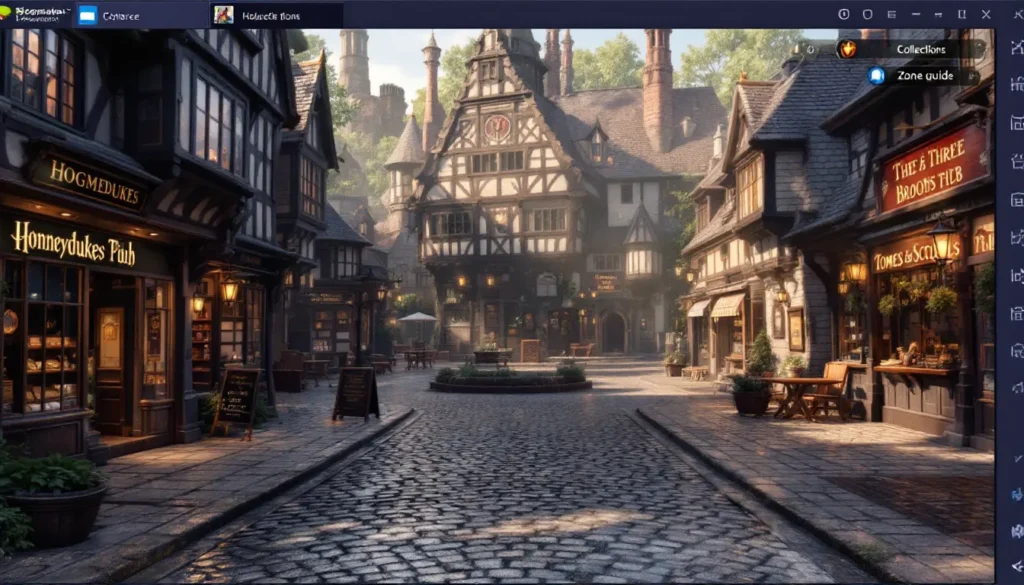
Hogsmeade is organized into distinct districts, each containing field guide pages. Knowing the village layout is critical for systematic collection. The hogsmeade map divides the area into several zones, and pages are distributed across these regions. Below is a breakdown by area to help players navigate efficiently.
The High Street Field Guide Pages
The High Street is Hogsmeade’s main thoroughfare and naturally contains multiple field guide pages. The first notable page is located near the entrance to Honeydukes, accessible from the shop’s exterior. Another page can be found inside the Hog’s Head Pub, sitting on a table near the bar area, players need to enter and search the interior space carefully.
The High Street also features pages near the main plaza area. One is positioned on a bench near the central fountain, while another resides within the vicinity of the Owl Emporium. These pages are relatively easy to spot once players know where to look, making the High Street a good starting point for collection runs.
Dadiwan’s Alley and Honeydukes Areas
Dadiwan’s Alley branches off from the main street and contains at least two significant field guide pages. One page is hidden in a corner of Dadiwan’s Alley itself, requiring players to look at ground level or on vendor stalls. The second page in this zone is inside Honeydukes, near the candy displays, players should search shelves and counter areas.
Honeydukes is a fan-favorite location, and its field guide pages blend with the shop’s colorful environment. This zone rewards thorough searching, as pages may be partially obscured by product displays or shelving units. Taking time to inspect every corner of Honeydukes will uncover pages that casual passersby miss.
The Three Broomsticks and Hog’s Head Pub District
The Three Broomsticks is central to Hogsmeade’s social scene, and it houses multiple field guide pages. One page is located at the bar itself, while another is tucked into a booth or table area within the pub. The atmosphere and interior design of The Three Broomsticks make it easy to blend into the scenery, so players should check furniture and shelves methodically.
The Hog’s Head Pub, even though being smaller, contains field guide pages as well. Its darker, grittier aesthetic contrasts with The Three Broomsticks, and pages here are positioned to match the tavern’s cluttered, lived-in appearance. Searching near the counter, tables, and shadowy corners will yield results.
Tomes and Scrolls and Spintwitches Sporting Goods
Tomes and Scrolls is a bookshop, making it a natural location for field guide pages. Players will find at least one page on shelves or a reading table within the shop. The literary theme of the location means pages blend naturally with books and scrolls, requiring attentive searching.
Spintwitches Sporting Goods, focusing on Quidditch and sports equipment, contains field guide pages related to the store’s specialty items and history. At least one page is situated near the Quidditch merchandise displays or on shelves dedicated to sports memorabilia. The sports-themed aesthetic provides context for these pages’ contents.
Hogsmeade Hideout and Peripheral Locations
The Hogsmeade Hideout is a crucial location for field guide pages, as it’s tied to late-game story elements. Players will find multiple pages within the hideout itself, positioned in various rooms and corridors. Some pages are placed during story progression, making them impossible to miss if players are attentive, while others require exploration after the main events.
Peripheral locations around Hogsmeade’s outskirts contain additional pages. These areas are less populated but rich with environmental storytelling. Pages in peripheral zones often require players to venture slightly off the main path, rewarding exploration with both pages and scenic vistas. Checking areas near bridges, pathways, and outdoor seating areas will reveal these hidden collectibles.
How to Collect Field Guide Pages Efficiently
Collecting all field guide pages doesn’t have to be a tedious grind. With the right approach, players can systematize their search and complete the collection in one or two focused play sessions.
Combat Encounters and Enemy Types
While field guide pages aren’t combat drops, understanding which enemies are active in Hogsmeade helps players avoid unnecessary fights while exploring. Hogsmeade’s combat encounters typically involve dark wizards or magical creatures, depending on story progression and difficulty settings. Knowing enemy placements allows players to navigate the village efficiently, avoiding detours caused by combat encounters.
During early-game exploration, fewer enemies populate Hogsmeade, making it an ideal time to collect pages without constant interruptions. As the story progresses and enemy presence increases, players might want to either level up their character or focus on pages during specific story chapters when Hogsmeade is less hostile. This tactical approach saves time and frustration.
Exploration Tips and Hidden Spots
Systematic exploration is the key to efficient collection. Players should move through Hogsmeade district by district, checking every building and public space. Using the game’s camera system to rotate views helps spot pages on high shelves or partially hidden areas. Taking screenshots or notes of discovered pages prevents backtracking and confusion.
Looking up is just as important as looking around. Pages placed on upper shelves or near ceiling-level furniture are easy to overlook when scanning at eye level. Also, examining interactable objects, tables, benches, shelves, reveals pages that blend into the environment. Some pages sit in plain sight but are small enough that rushed players walk past them.
Exploring during different times of day (if the game’s day/night cycle affects visibility) can help spot pages that are less visible under certain lighting. Some areas of Hogsmeade are more brightly lit at specific times, making page discovery easier. Players should also note that some pages only become accessible after certain story events, so revisiting Hogsmeade after major quest completions is worthwhile.
Timing and Respawn Mechanics
Hogsmeade field guide pages do not respawn once collected. This means players can safely mark off each page they find without worrying about duplicates or reset mechanics. But, if a player misses a page during early exploration, returning to that location at any later point will still reveal it.
Timing collection runs around story progression is strategic. Early chapters offer Hogsmeade without major combat pressure, making initial exploration ideal. Later playthroughs or secondary saves can focus on missed pages without time constraints. Understanding that pages are permanent collectibles removes pressure and allows for casual discovery alongside main story progression.
Field Guide Page Completion Tracker
Hogwarts Legacy includes a built-in field guide tracking system that players can access through the main menu or pause screen. This tracker displays the total number of pages discovered in each region and the percentage of completion for Hogsmeade specifically. Using this tracker prevents duplicate efforts and helps players identify areas where pages remain uncollected.
The tracker breaks down pages by district, showing progress in each zone of Hogsmeade. This compartmentalization is invaluable, if a player notices that, for example, Dadiwan’s Alley shows 60% completion, they know to focus their efforts there. The tracker also displays pages discovered overall versus total pages available, giving players a clear target to work toward.
Some players use third-party guides or spreadsheets to manually track their progress, especially if they’re aiming for 100% completion across the entire game. Combining the in-game tracker with external notes ensures no pages are missed. Taking screenshots of the tracker after each session creates a record of progress and helps identify which locations still need attention.
The completion tracker also serves as validation, reaching 100% in Hogsmeade is a concrete achievement that many players pursue. Watching the percentage climb from 50% to 75% to 100% provides a satisfying sense of progression, especially for players who enjoy collecting mechanics.
Troubleshooting Common Collection Issues
Even though the straightforward nature of field guide collection, players sometimes encounter issues that prevent them from finding or collecting specific pages. Understanding common problems and their solutions keeps momentum going.
Missing Pages and Glitch Fixes
Occasionally, players report pages that appear on guides but aren’t present in their game world. This typically stems from one of two causes: story progression gating or minor glitches. Some pages are tied to specific story chapters, meaning they won’t appear until players complete certain quests. Checking a page’s location requirements in a detailed guide clarifies this.
If a page is definitely story-locked and the player has passed that point, a glitch may be responsible. The standard fix is to reload the last save and revisit the location. If the page persists as missing, trying a hard reset of the game (closing it completely and restarting) sometimes resolves the issue. In rare cases, players report that fast-traveling away from Hogsmeade and returning resets the area’s entities, making previously hidden pages visible.
For pages that appear in incorrect locations on some guides, cross-referencing multiple sources helps. Different guides may describe locations differently, what one calls “near the fountain” another might describe as “by the bench.” Checking several reliable sources, including Game Rant’s Hogwarts Legacy coverage and Twinfinite’s walkthroughs, provides clarity and confirms page locations across sources.
Another common issue is pages being blocked by NPCs or objects. If a page is inaccessible due to an NPC standing in front of it, waiting for the NPC to move or interacting with them first may free up the space. Some pages become accessible only after interacting with nearby objects or completing minor environmental puzzles, so checking for interactive elements nearby helps.
100% Completion Guide
Reaching 100% field guide completion in Hogsmeade requires dedication and systematic approach. Players aiming for this milestone should dedicate a focused play session or two to methodically clear the village.
The most effective 100% strategy involves dividing Hogsmeade into zones and completing one zone at a time. Start with High Street, the most accessible and central area. Use the in-game tracker after each zone to confirm 100% completion before moving on. This prevents backtracking and the frustration of discovering a missed page after moving to a new area.
When tackling each zone, move slowly and deliberately. Check every building, every shelf, every table. If the tracker shows 95% completion in a zone, assume there’s one page hidden in an unusual spot, perhaps high up, low down, or inside a less obvious interior space. Many players find success by taking screenshots of each area from multiple angles, allowing review during analysis of where pages might be hiding.
For completionists pursuing 100% across the entire game, field guide pages are often one of the final things checked off. Combining page collection with other Hogsmeade objectives, like collecting all spell books or finding every portrait, creates an efficient full-village sweep. References like Game8’s comprehensive guides provide tiered walkthroughs that help players optimize their completion percentage across multiple collectible categories.
Players on their first playthrough shouldn’t stress about 100% immediately. Many collectors find pages naturally during story progression, especially in buildings frequented by main quests. Second playthroughs or dedicated collection runs, separate from story campaigns, often yield faster 100% completion rates since players know the layout and don’t face story-related combat pressure.
The reward for reaching 100% completion in Hogsmeade contributes to overall game completion tracking, which unlocks cosmetics, gallery entries, and the satisfaction of mastery. For players invested in Hogwarts Legacy’s world, this achievement represents thorough engagement with the village’s design and environmental storytelling.
Conclusion
Hogsmeade field guide pages represent one of Hogwarts Legacy’s more accessible collectibles, rewarding player curiosity and attention to environmental detail. Unlike some collectibles that demand combat prowess or puzzle-solving, pages exist to be found by anyone willing to explore the village thoroughly. The reward loop, discovery leading to tracker completion leading to achievement unlocks, keeps collection engaging across multiple playthroughs.
For casual players, stumbling upon pages naturally during story quests is perfectly valid. For completionists, systematic zone-by-zone exploration ensures nothing is missed. The mechanics are forgiving: pages don’t respawn, they’re never locked behind prohibitive requirements, and the in-game tracker provides constant feedback on progress.
Whether pursuing 100% across all Hogwarts Legacy’s content or simply enjoying the lore snippets field guide pages provide, the collection serves its purpose, enriching the game world and encouraging players to truly inhabit Hogsmeade rather than rushing through it. With patience and attention to detail, clearing every page on the hogsmeade map is an achievable goal that enhances the overall experience of Hogwarts Legacy’s rich, magical setting.